
Stop Wasting Money: 10 Expenses That Won’t Matter in 2026
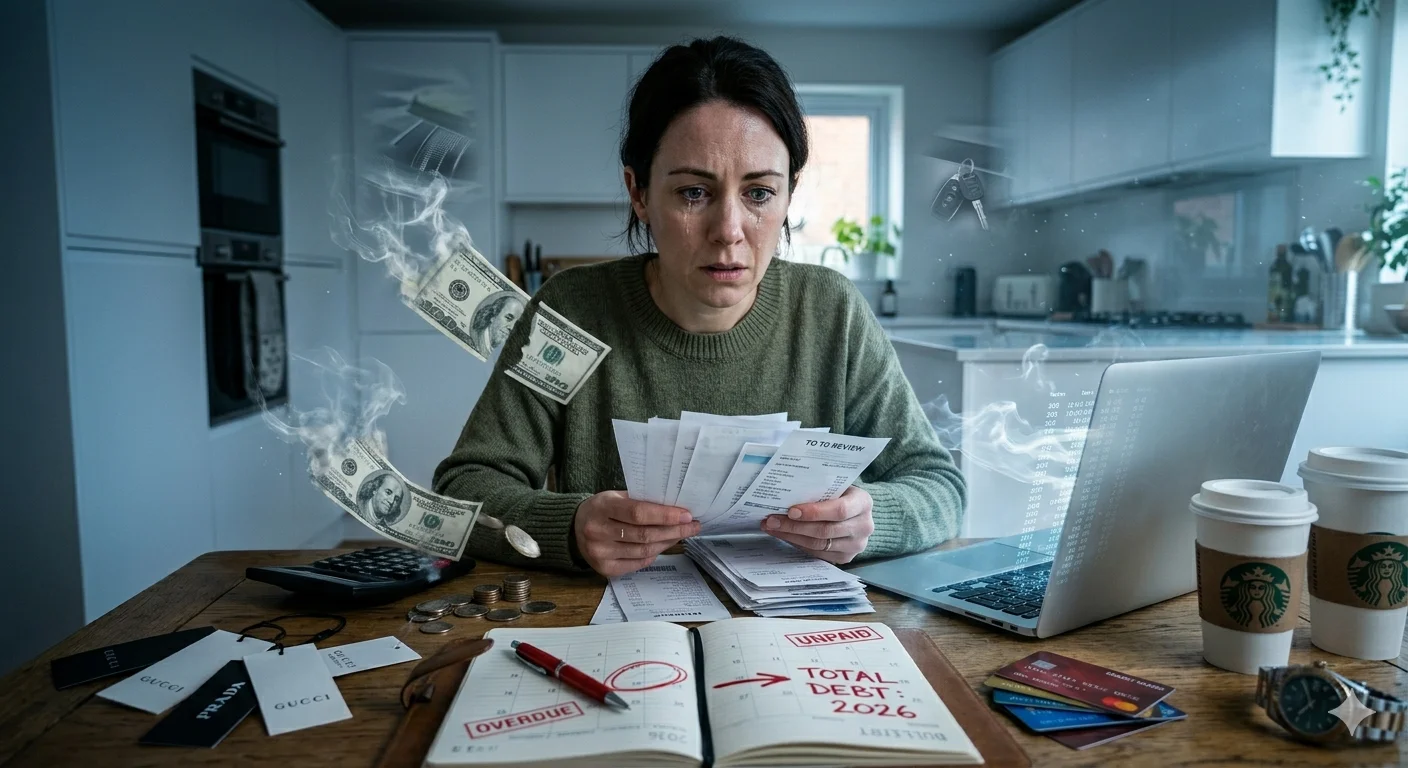
A lot of people are not broke because they buy one big thing. They are drained by small expenses that quietly pile up. A subscription here. A delivery fee there. A trendy gadget. A “quick” coffee run. A closet full of clothes that looked exciting for one week and then disappeared into the back of the wardrobe.
By the time the month ends, the money is gone, but there is nothing meaningful to show for it. That is why 2026 is the perfect year to ask a simple question:
Is this expense actually improving my life, or am I just paying for noise?
You do not need to stop enjoying life. You do not need to become extreme or boring. But you can stop spending money on things that will not matter a year from now.
Here are 10 expenses that won’t matter in 2026 and what to focus on instead.
1. Subscriptions You Forgot You Had
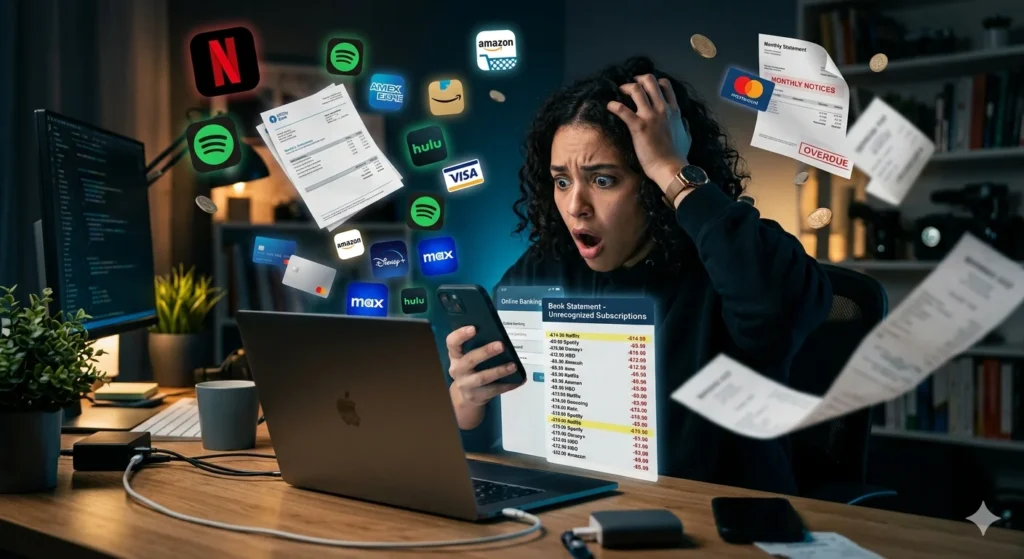
Subscriptions are one of the easiest ways to waste money without noticing. A streaming service you barely open. An app you downloaded for one project. A fitness plan you stopped using months ago. A free trial that quietly turned into a monthly charge. The problem is not one subscription.
The problem is five or six small charges that keep coming out automatically. In 2026, people are becoming more aware of “subscription creep,” because everything from entertainment to software to food delivery wants a monthly fee.
What to do instead
- Check your bank statement and cancel anything you have not used in the last 30 days.
- Keep the ones you truly enjoy.
- Cut the ones you forgot existed.
2. Fast Fashion You Only Wear Once
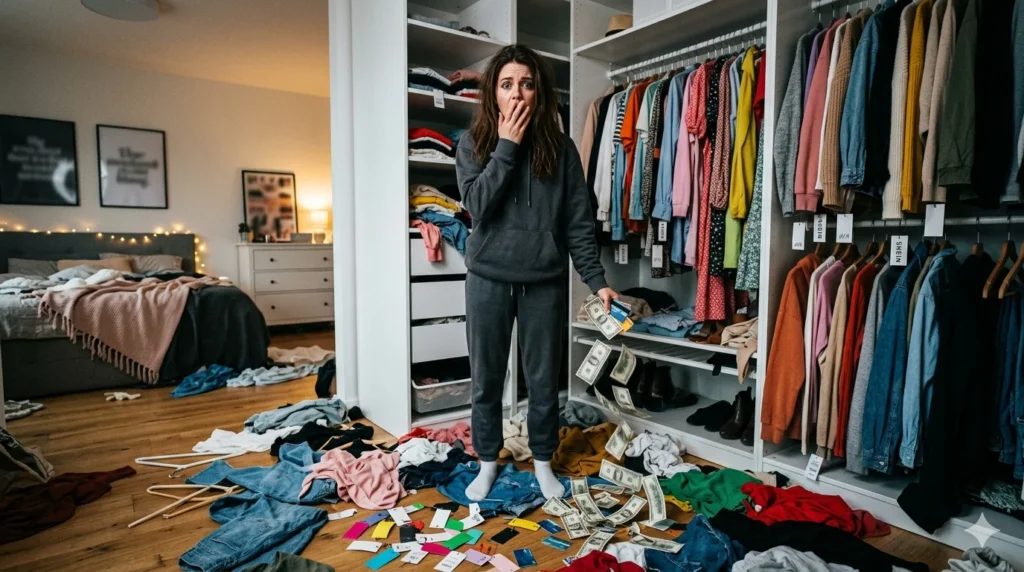
Cheap clothes can feel like a good deal at first. But if you wear something once and never touch it again, it is not really cheap. It is wasted money. Fast fashion trends move quickly. One week everyone wants a certain top, bag, or pair of shoes.
A month later, it already feels outdated. By 2026, style is becoming more personal and practical. People are starting to care more about pieces they can wear again and again.
What to do instead
- Buy fewer clothes, but choose better ones.
- Focus on jeans that fit well, simple tops, comfortable shoes, good jackets, and pieces you can style in different ways.
- A smaller wardrobe you actually wear is better than a crowded closet full of regret.
3. Expensive Coffee Every Single Day

Buying coffee is not evil. A good coffee can make your morning better, and sometimes the small ritual is worth it. But buying expensive coffee every single day without thinking can quietly eat a big part of your budget.
A few dollars does not feel like much in the moment. The issue is not enjoying coffee. The issue is making it automatic.
What to do instead
- Make coffee at home most days and save café trips for the days when they feel special.
- You still get the treat.
- You just stop paying for it out of habit.
4. Food Delivery Fees
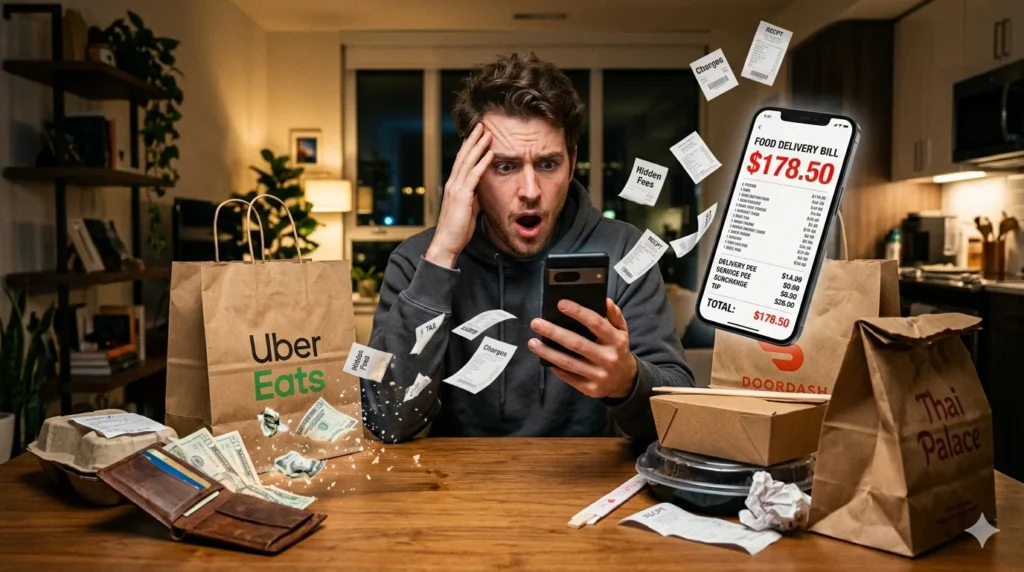
Food delivery is convenient, but it can be one of the sneakiest money drains. The meal itself may already cost more than it would in person. Then come the delivery fee, service fee, tip, taxes, and sometimes a small order fee.
Suddenly, a simple meal costs much more than expected. In 2026, convenience is everywhere, but convenience can be expensive when it becomes your normal routine.
What to do instead
- Use delivery when you truly need it, not when you simply do not feel like thinking.
- Keep a few easy meals at home: frozen options, rice bowls, pasta, eggs, soup, or sandwich ingredients.
- Future you will be grateful.
5. Trendy Gadgets That Solve Tiny Problems
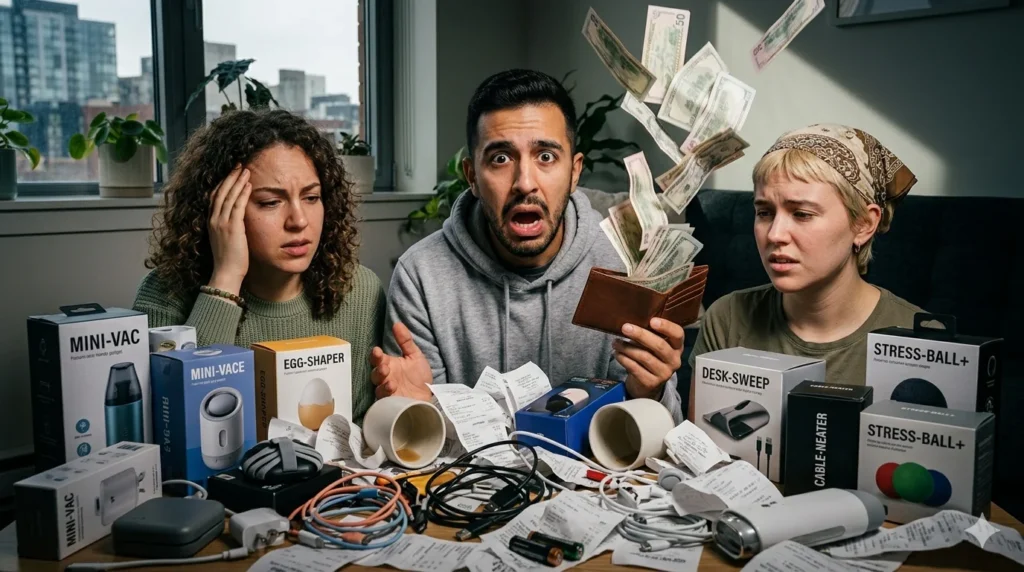
Every year brings new gadgets that promise to improve your life. Some are useful. Many are not. A device that chops one vegetable. A mini machine you use twice. A smart tool that does almost the same thing your phone already does.
A viral product that looks amazing online but becomes clutter in your drawer. These purchases feel exciting because they promise a better version of your life. But many of them do not actually change your daily routine.
What to do instead
- Ask yourself, “Will I still use this three months from now?”
- If the honest answer is no, skip it.
- Before buying a gadget, wait 48 hours.
6. Paying Full Price Without Checking First
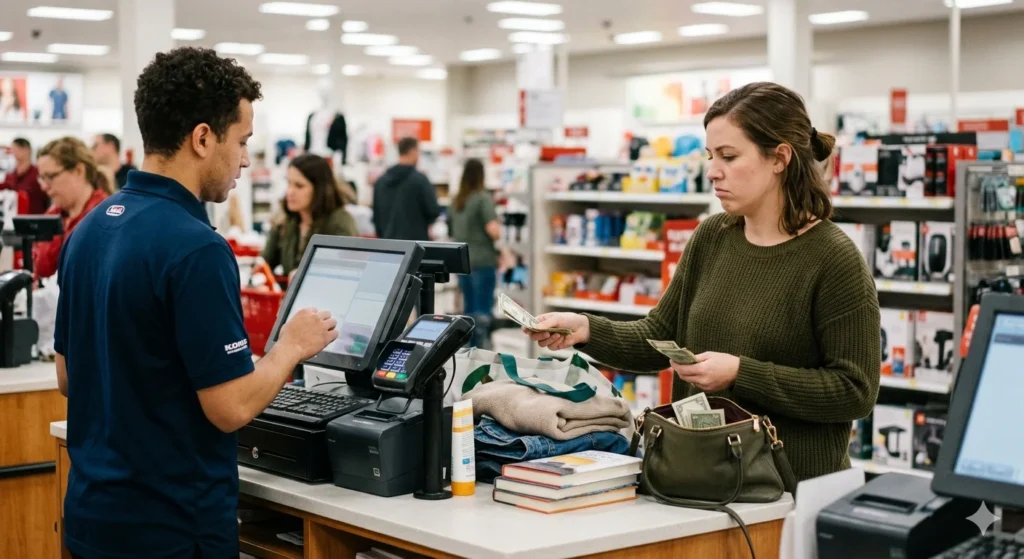
Paying full price for everything is one of the easiest mistakes to make. Many people buy quickly because they are busy or impatient. But in 2026, there are so many ways to save before checking out.
Discount codes, cashback apps, store rewards, seasonal sales, price comparisons, and secondhand options can all make a difference. The goal is not to spend hours chasing tiny savings. The goal is to stop overpaying when a better deal is easy to find.
What to do instead
- Before buying online, do one quick check for a discount code or better price.
- For bigger purchases, wait for sales if you can.
- A little patience can save real money.
7. Upgrading Your Phone Too Often
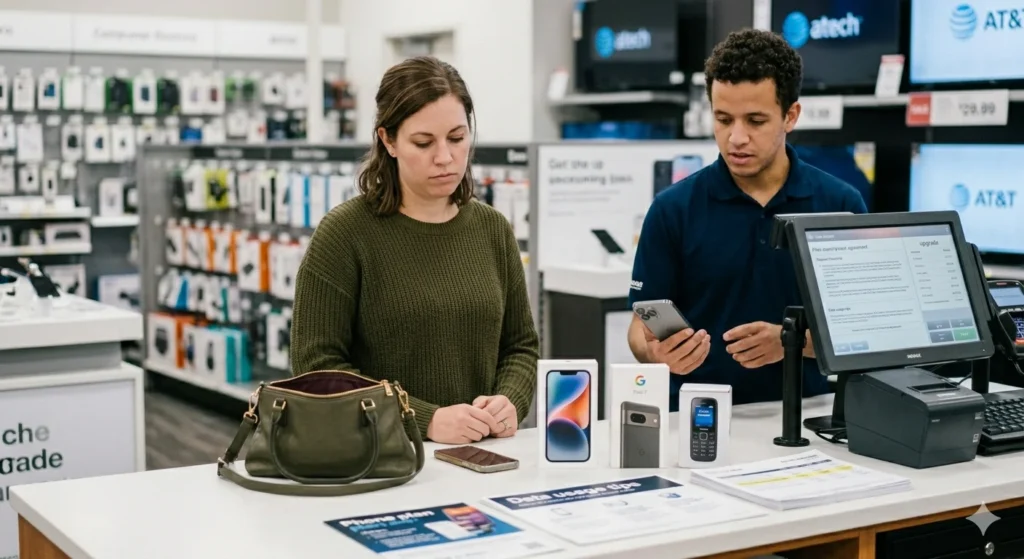
New phones are exciting. The camera is better. The screen looks nicer. The battery lasts longer. The ads make it feel like your current phone is suddenly ancient. But if your phone still works well, upgrading every year or two may not matter as much as you think.
Many upgrades are smaller than they seem in daily life. You may spend hundreds or even over a thousand dollars for a difference you barely notice after the first week.
What to do instead
- Keep your phone longer if it still works.
- Replace the battery, clean up storage, update the software, or buy a good case before rushing into a new device.
- Upgrade when you truly need to, not just because marketing made you feel behind.
8. Buying Things Just to Impress Other People
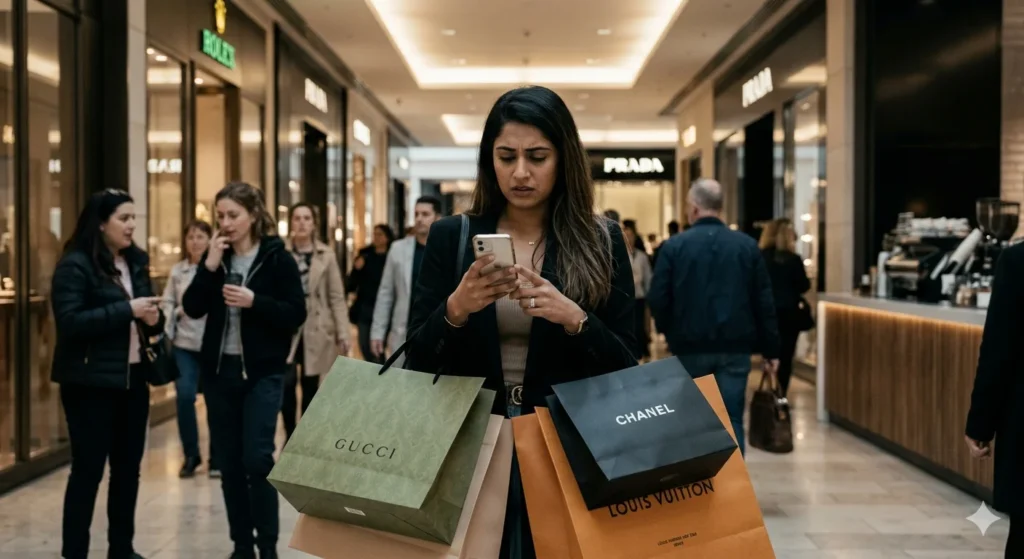
This is one of the most expensive habits. Designer items you cannot afford. A car payment that stretches your budget. Expensive nights out you do not enjoy. Gifts bought out of pressure. Home décor chosen for social media instead of real life.
Spending to impress people rarely brings lasting peace It usually brings stress. The truth is, most people are too busy thinking about their own lives to care as much as you think they do.
What to do instead
- Spend money based on your values, not someone else’s opinion.
- Ask yourself, “Would I still want this if nobody saw it?”
- If the answer is no, it may not be worth your money.
9. Bank Fees and Late Fees
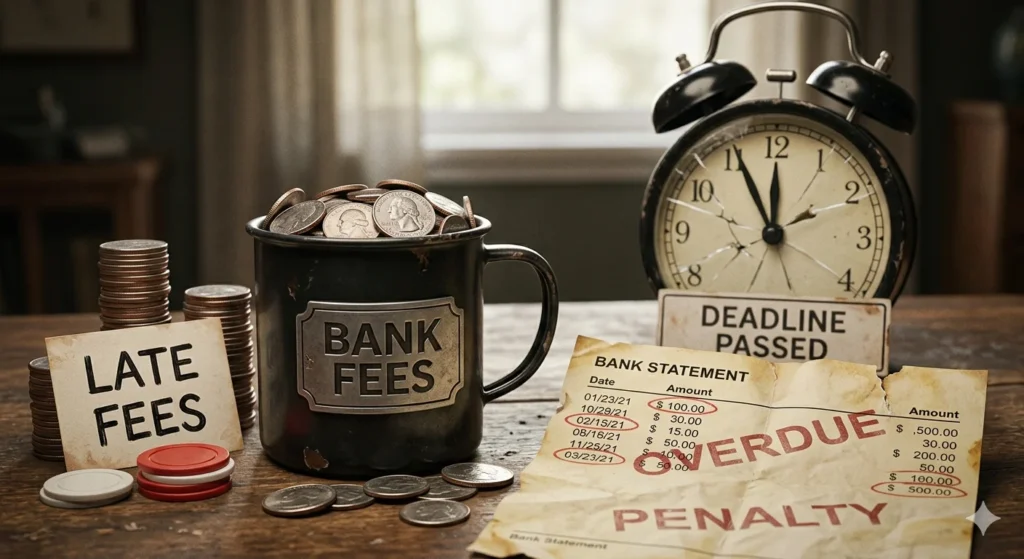
Bank fees, overdraft fees, missed payment fees, and late charges are painful because they give you nothing in return. You are not buying comfort, joy, or convenience. You are paying because something slipped through the cracks.
These fees can happen to anyone, especially when life gets busy. But if they happen often, they become a serious leak in your finances.
What to do instead
- Set payment reminders.
- Use autopay for bills you can predict.
- Keep a small buffer in your checking account if possible.
- Review your accounts weekly so surprises do not turn into fees.
- This is not exciting, but it works.
- This is not exciting, but it works.
10. Cheap Things That Break Quickly
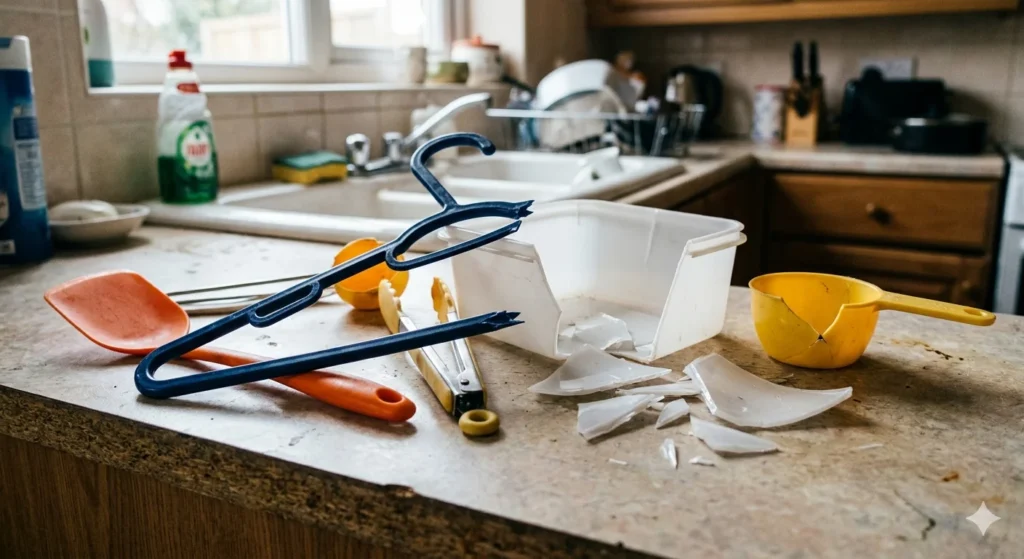
Buying the cheapest option can save money in the moment. But if it breaks, wears out, or needs replacing quickly, it can cost more in the long run. This applies to shoes, bags, kitchen tools, furniture, chargers, headphones, and household items. Not everything needs to be expensive. But some things are worth buying with quality in mind, especially if you use them often.
What to do instead
- Think in cost per use.
- A $100 item you use 200 times may be a better deal than a $20 item that breaks after five uses.
- Spend more carefully, not necessarily more often.