10 Surprising Habits Only California School Kids Seem to Have
California school kids grow up a little differently. They may have math homework like everyone else, lunch lines like everyone else, and backpacks stuffed with too many papers like everyone else. But between beach days, earthquake drills, sunny winters, outdoor classrooms, diverse food, and school spirit that feels very California, they pick up habits that can surprise people from other states.
If you went to school in California, some of these may feel completely normal. But to everyone else? They can seem very different.
Here are 10 surprising habits only California school kids seem to have.
1. Treat Earthquake Drills Like Normal Life
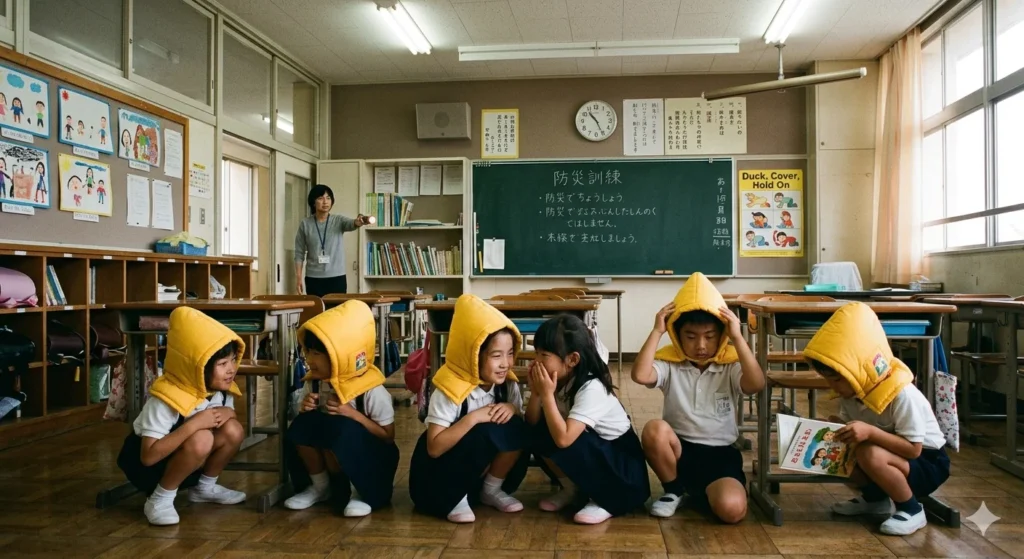
For many students across the country, fire drills are the big safety practice. In California, earthquake drills are just as normal. Kids learn early to “drop, cover, and hold on.” They know to get under desks, protect their heads, and stay away from windows.
For students who grew up with it, this does not feel strange. It is just part of school. But for kids from other states, the idea of practicing for earthquakes can feel shocking. California students usually do not think twice about it because they have heard about earthquakes their whole lives.
2. Bring Jackets Even When It Looks Sunny
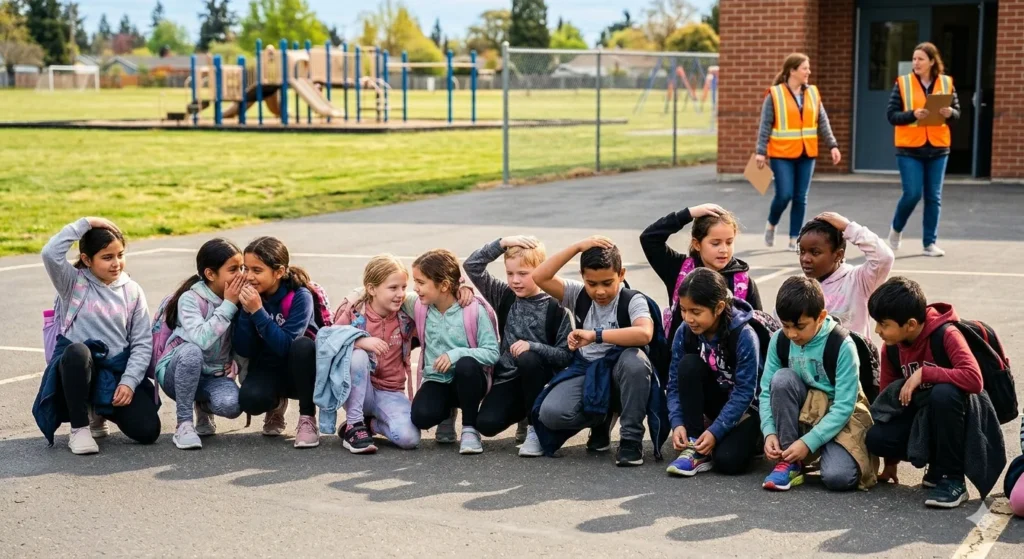
California weather can be tricky. The day may start cold, turn hot by lunch, then feel chilly again by the afternoon. In coastal areas, foggy mornings can turn into sunny afternoons. In inland areas, students may freeze in the morning and sweat by recess.
So California kids learn one important rule: bring layers. A hoodie tied around the waist or stuffed into a backpack is almost a school uniform in some places. Even when the sky looks bright, they know better than to trust it completely.
3. They Are Used to Eating Many Different Foods at School
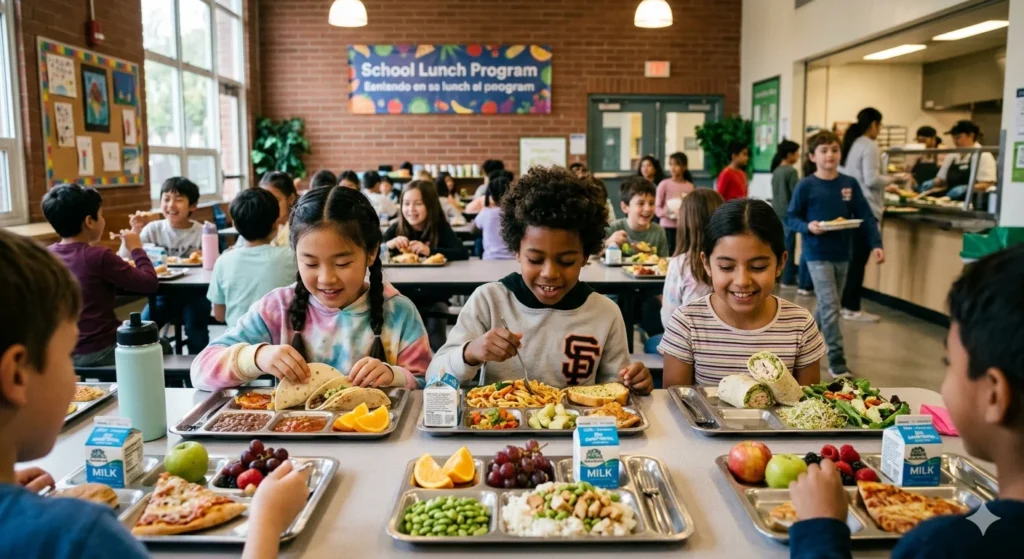
California schools are full of different cultures, and that often shows up at lunchtime. One student may bring tacos. Another may bring sushi. Someone else may have lumpia, rice bowls, pupusas, noodles, curry, or a sandwich from home. California kids grow up seeing all kinds of food in the cafeteria.
To them, it feels normal. But visitors may be surprised by how much variety there is. Lunch is not always just peanut butter sandwiches and chips. It can feel like a small food tour of the world.
4. They Know Beach Days Can Happen After School
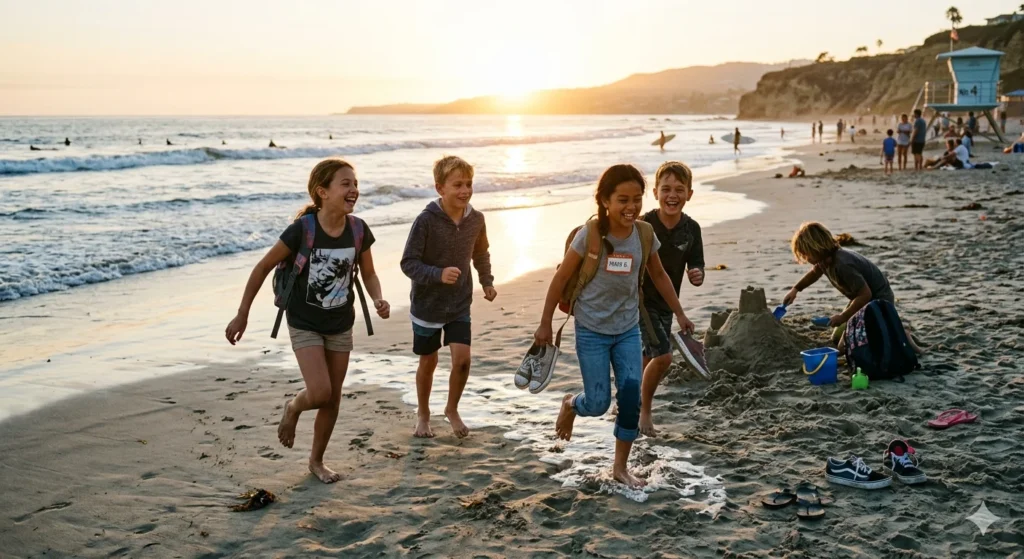
Not every California kid lives near the beach, of course. But for many who do, going to the beach after school is not a fantasy. It can be a real weekday plan. Some students keep sandals, towels, surfboards, or beach clothes in the car.
Others head to the coast after class with friends or family just to walk, swim, watch the sunset, or grab food nearby. To outsiders, that sounds like vacation. To California kids, it can be just another Tuesday.
5. Grow Up With Outdoor School Events
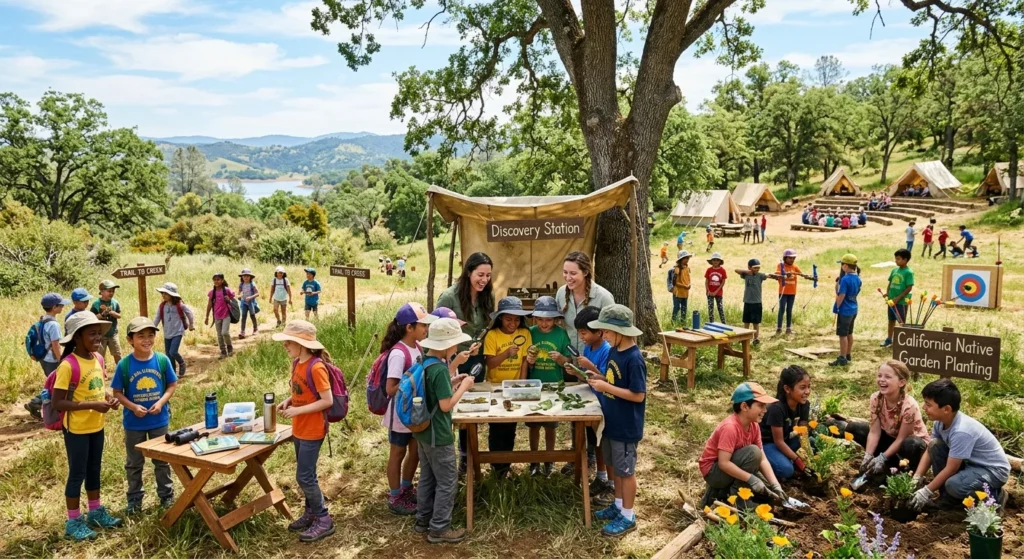
Because the weather is mild in many parts of California, school life often spills outside. Assemblies may happen outdoors. Lunch may be eaten outside. PE can happen on sunny fields almost year-round. Some schools have outdoor hallways, open courtyards, garden areas, or classroom doors that open straight outside.
Kids from colder states may find this surprising. In California, students may spend a lot of the school day moving between buildings instead of staying inside one large heated school building. That outdoor feeling becomes part of the school experience.
6. Talk About Wildfire Smoke Like Weather
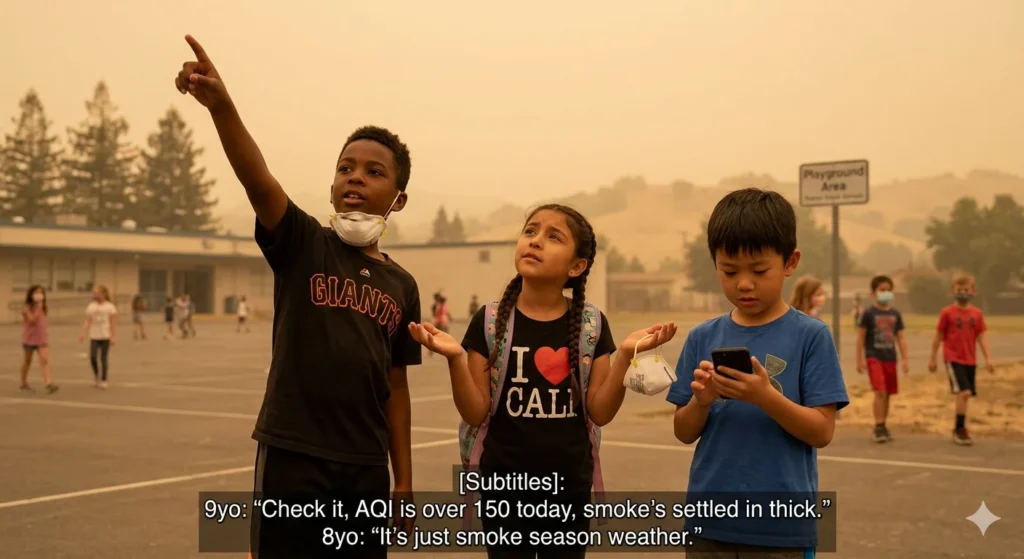
In some parts of California, kids grow up knowing that smoky air can affect school days. They may hear adults talk about air quality, red flag warnings, or whether outdoor activities should be canceled. Sometimes recess, sports practice, or PE may move indoors because the air is not healthy. This is one of the harder California habits.
Students may learn to check whether the sky looks hazy or whether the air smells like smoke. They may understand at a young age that fire season can change normal routines. For kids elsewhere, that can sound scary. For many California kids, it is simply something they have learned to watch for.
7. They Know Disneyland Is a Real School Trip Dream
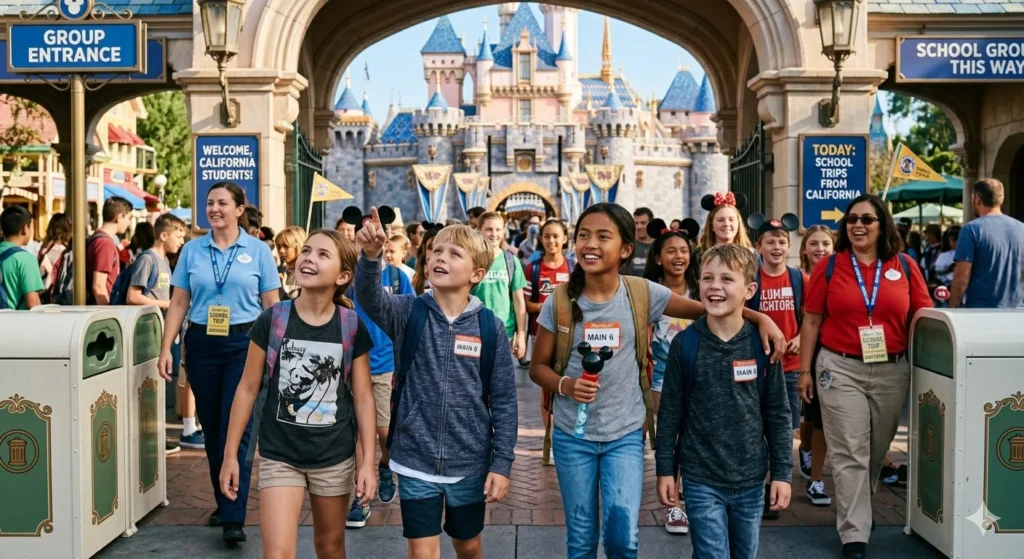
For many California kids, Disneyland is not just a once-in-a-lifetime vacation. It may be close enough to visit with family, school groups, clubs, bands, or end-of-year trips. Students in Southern California especially may grow up knowing classmates who have annual passes, birthday trips, or Disney traditions.
That does not mean every kid goes all the time. But Disneyland feels more reachable in California than it does for kids across the country. So when California students talk casually about going to Disneyland, out-of-state kids may be amazed.
8. Seeing Movie or TV References Everywhere
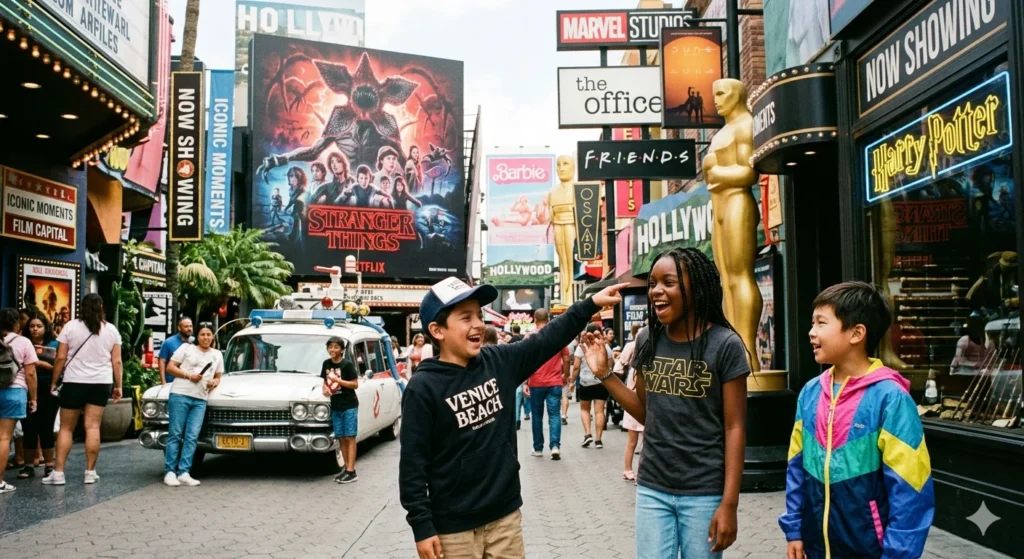
California kids, especially those near Los Angeles, grow up around entertainment culture in a way that can feel unusual. They may pass filming signs, hear about a movie being shot nearby, know someone whose parent works in entertainment, or recognize places from TV shows and commercials.
Even outside Los Angeles, California has so many famous locations that students often grow up seeing their state on screens. For them, it can feel normal. For others, it feels like living inside a movie map.
9. Have Strong Opinions About Tacos, Burritos, and In-N-Out
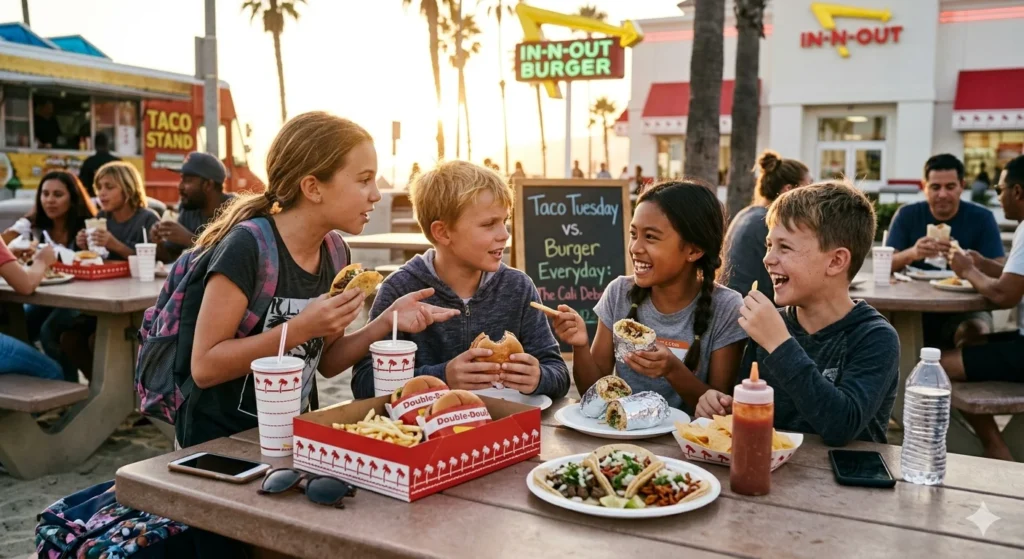
California school kids often develop food opinions early. They know which taco truck is best. They may argue about burrito styles. They may have strong feelings about In-N-Out orders. Some know exactly what they want before they even reach the counter. Food becomes part of social life.
After-school snacks can mean tacos, boba, fries, smoothies, sushi, or burgers depending on the area. The surprising part is how specific kids can be. They do not just say, “Let’s get food.” They know the spot.
10.Think Long Drives Are Normal
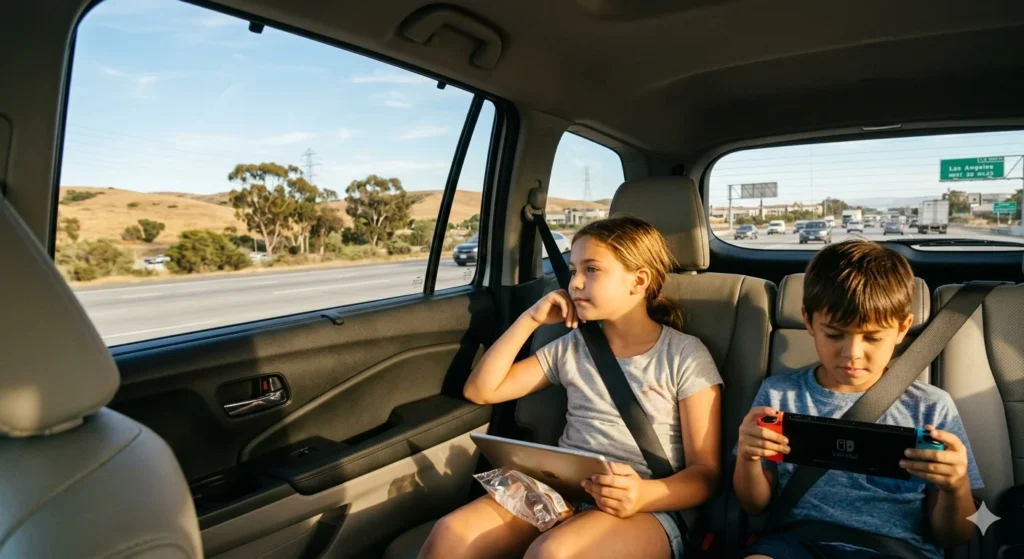
California is huge, and kids learn that early. A school sports game might be far away. A family trip could mean hours in the car. Visiting relatives in another part of the state can feel like a road trip. Even a “nearby” place may take longer than expected because of traffic.
California kids become used to long drives, freeway exits, traffic, and asking, “How many hours is it?” They may also learn that distance is not only measured in miles. It is measured in traffic. To them, a long drive may be normal. To visitors, it can feel endless.